50 Foods Before Age 2

50 Foods Before Age 2

Good habits begin at home and the earliest learning is taught by parents. Health and nutrition can be the trickiest learned habits.

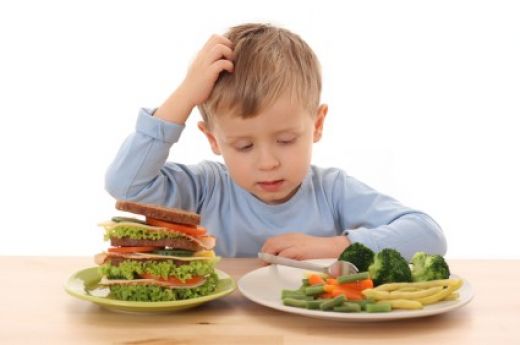
Kids can be picky eaters. Sometimes, it can be hard for parents to really give their children the nutrition they need from fruits, vegetables and proteins.

That’s why it is important to introduce these 50 foods to your kids before age 2; please note that some of these food need to be pureed or cooked to avoid choking hazards and always check with your doctor first.

Artichokes
Bell peppers
Black beans
Broccoli
Brown Rice
Brussels sprouts
Butternut squash
Cabbage
Cantaloupe
Carrots
Cauliflower
Chicken
Coconut
Cod
Cucumbers
Eggplant
Eggs
Feta cheese
Granola
Green beans
Honeydew melon
Hummus
Iceberg lettuce
Jicama
Kale
Kidney beans
Lentils
Mozzarella cheese
Mushrooms
Olive slices
Oranges
Peaches
Pears
Pineapple
Plums
Pumpkin
Purple potatoes
Quinoa
Radishes
Romaine lettuce
Salmon
Salsa
Spinach
Strawberries
Sweet potatoes
Tomatoes
Turnips
Watermelon
Whole-wheat pasta
Yogurt

The perfect way to utilize this list, is to place it on the refrigerator and check off what food your child liked, and tried. This way, you can easily keep track of what food your child has tasted and liked.

Healthy kids are better learners and miss less school due to illness. Early learning goes a long way toward a successful future.

Start encouraging variety with your children today!

Written by: Amanda Haase

Winterizing Your Vehicle

Winterizing Your Vehicle

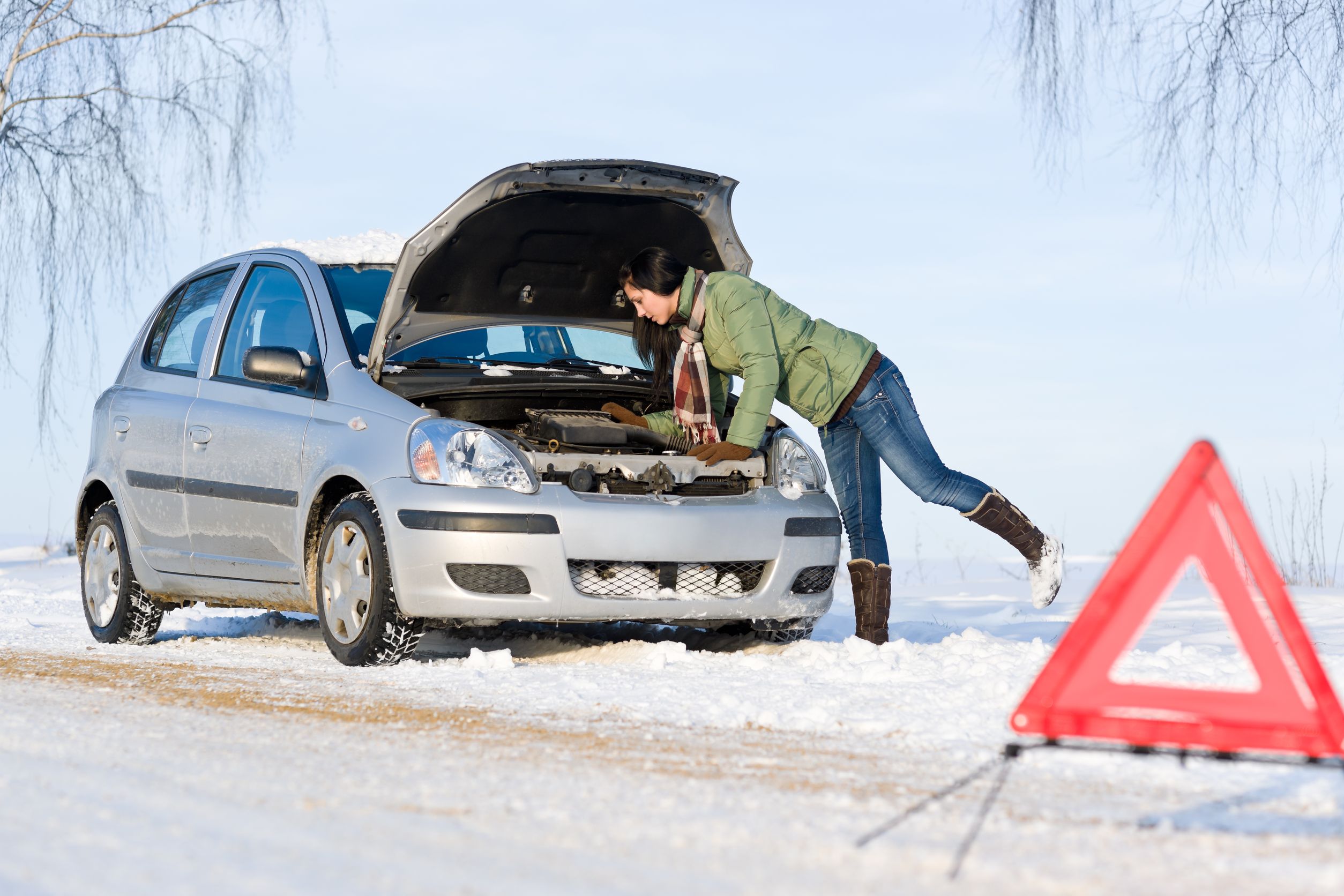
Winterizing your vehicle is a wise idea! Taking an hour or two out of your day to have your vehicle checked is all it takes to have peace of mind. The time spent now will avoid the cost and hassle of a breakdown during severe weather.

Here is a checklist to follow when winterizing your car this season:
1. Have the battery and charging system checked for optimum performance.
2. Clean, flush and put new antifreeze in the cooling system.
3. Make sure heaters, defrosters and wipers work properly.
4. Check the tire tread depth and tire pressure.
5. Be thorough about changing the oil and filter at recommended intervals.
6. If you’re due for a tune-up, have it done before winter sets in.
7. Have the brakes checked. The braking system is the vehicle’s most important safety item no matter what time of year.
8. Have the exhaust system checked for carbon monoxide leaks.
9. Keep your gas tank at least half full at all times to decrease the chances of moisture forming in the gas lines and possibly freezing.
10. In your trunk, make sure to include an ice scraper and snowbrush, jumper cables, flashlight, flares, blanket, extra clothes, candles/matches, bottled water, dry food snacks and needed medication.

Preparing yourself and your vehicle will insure safe travels this winter.

For more information on auto insurance, call C.H. Edwards, Inc. and one of our representatives will be happy to help you.

Be safe!

Written by: Amanda Haase

Common Teen Driving Mistakes

Common Teen Driving Mistakes

Fact: Teen drivers are nearly four times as likely to crash when on the road. Below are some of the most common mistakes made by teen drivers:

Peer Pressure – friends encouraging the driver to turn up the music, or violate other family rules, to distract the driver.

Drinking and Driving – In 2013, 17 percent of drivers ages 16-20 were involved in fatal car crashes, due to intoxication. Do not drink and drive!

Distractions – Distractions while driving are more than just cell phones. Talking to passengers, using navigation systems, and applying makeup while driving all count as distractions.

Failure to wear a seatbelt – Seatbelts save an estimated 12,174 lives each year. 55 percent of teens killed in car crashes were not wearing seat belts. Buckle up! It is the law!

Underestimating the risks that come with driving – Teens often underestimate the risks and responsibilities that come with getting behind the wheel, making them feel invincible. This can lead to careless, dangerous mistakes.

Driving at night – A teen driver’s chance of being involved in a deadly car crash doubles, when they travel at night. This can be due to limited visibility and other dangers on the road.

Having multiple passengers – When your teen drives with multiple passengers in their car, their risk of being involved in a car crash increases 44% due to possible increased distractions, caused by the passengers.

Loud Music – “Cranking up the tunes” and adjusting the radio can cause major distractions while driving.

Overestimating their driving abilities – Overestimating their driving abilities, such as what speed they are comfortable at, as well as maneuvering on the road, can be dangerous to them and other drivers.

Fast or reckless driving – Going too fast, tailgating, and road rage are often primary factor in teen crashes.

Although these facts may seem unfortunate, talk to your son or daughter about these dangers before this upcoming winter driving season. It is Important to protect them and others when they are behind the wheel.

If you have any further questions regarding the information provided or you have a new teen driver that you are looking to insure, give C.H. Edwards a call today at 516-249-5200 for a free no obligation quote for the whole family! Please visit our website at www.chedwards.net.

Let us help you get covered! Please drive safely.

Written by: Amanda Haase

It’s Election Day! Are You Registered To Vote?

It’s Election Day! Are You Registered To Vote?

It’s Election Day! Are you registered to vote? If not, make today the day you register.

In order to participate in New York State or federal elections, you must register to vote either through Department of Motor Vehicle or New York Board of Elections.

In order to vote in New York State you must:
• Be a U.S. citizen (or born in Puerto Rico, Guam, or U.S. Virgin Islands).
• Be 18 years old by December 31st of the year that you register.
• NOTE: You must be 18 years old by the date of the election in order to vote.
• NOT be in prison or on parole for a felony conviction.
• NOT be adjudged mentally incompetent by a court.
• NOT claim the right to vote elsewhere.

Note that in order to be eligible to vote, you must register 25 days before the next election. In New York, you can register to vote online, in person, or by mail. You cannot register to vote by phone.

For more information on voting and registering to vote visit http://www.dmv.org/ny-new-york/voter-registration.php.

Written by: Amanda Haase

8 Things To Know About Umbrella Policies

8 Things To Know About Umbrella Policies

Many consumers are often confused or unsure whether or not to buy an umbrella insurance policy. You may be asking yourself, what is an umbrella policy and how will it cover me?

Well, look no further here are eight things that you should know about personal and commercial umbrella policies are:

1. A personal umbrella provides an additional layer of liability coverage above and beyond the liability limits in an auto and homeowner’s policy.

2. The personal umbrella policy is extremely undersold. The vast majority of people with personal exposures do not have an umbrella policy, when they really should.

3. Personal Umbrella policies are on of the most inexpensive coverage’s available.

4. An insured does not need to be a millionaire to have a $1million personal umbrella policy. You don’t need to own a home, be married or even have children. An umbrella policy is simply extra coverage to protect you.

5. Personal umbrella policies are not something most people buy; it is something they have to be told about. Most clients will not ask for an umbrella policy. The agent has to proactively educate the client and let them know what it is.

6. Personal Umbrella polices can be sold as a monoline policy, that means by itself. While Umbrellas are often tied to auto and home policies, there are companies that offer standalone umbrellas at a very reasonable price.

7. A commercial umbrella policy provides additional liability limits above and beyond the primary limits in commercial general liability and commercial auto policies.

8. One key issue with a commercial umbrella policy is whether it provides defense costs inside or outside the policy limits. In cases of large and sever claims, it is important to have defense outside the policy limits so that the policy limits are preserved to pay for the claim.

If you have any questions or would like to obtain a free quotation on a personal or commercial umbrella policy, give C.H. Edwards a call today at 516 -249-5200 or visit our website at www.chedwards.net and one of our umbrella specialist will be happy to assist you .


Pumpkin Carving Safety Tips

Pumpkin Carving Safety Tips

It’s finally here, Pumpkin carving time! Kids, teens and even adults wait all year to carve their spooky Jack-O-Lantern’s for Halloween night! Although carving pumpkins can be fun for the whole family, it can also be dangerous and turn Halloween into a nightmare. Pumpkins can be both slippery and tough, a recipe for accidents.

pumpkin carving 1

Follow some of these helpful safety tips when you’re carving your pumpkin this year:

Use the right tools: Consumer Reports tested pumpkin-carving kits a few years ago and observed that one advantage of the specialty tools was that they can saw through rinds, poke holes, and scoop out innards without being razor-sharp. The instruments were also generally small, which made them easier to control than knives and easier to use when making intricate cuts.

Carve before taking off the top of the pumpkin: Carving the pumpkin before cutting the top off will help you avoid accidentally sticking your hand in the pumpkin while cutting inwards.

Take precautions: Carve in a clean, dry, and well-lit area, keeping your hands and tools clean and dry. Most important, take your time. Remember, this is a fun activity and fun shouldn’t be rushed!

Don’t let kids carve: It is important to not let young children carve by them selves. Instead, have children draw markings on the pumpkin and help clean the innards out with a spoon or their hands. If you have a young teen and they are trusted with a knife, be sure they are using a short knife and supervise as they are carving.

Halloween and fall activities are fun for everyone. Make sure you are enforcing safety this year while you share these activities with the ones you love. Practicing safety can help prevent you from having your own “Nightmare before Halloween”.pumpkin carving 2

At C.H. Edwards, Inc., we take pride in offering you helpful information so that you can make the most of the time you spend with your family. Call us if we can be of assistance with any of your Halloween related claims.

The Management and Staff at C.H. Edwards, Inc. wish you a Happy and Safe Halloween!


October is Down Syndrome Awareness Month

October is Down Syndrome Awareness Month

Down Syndrome Awareness (4)

What is Down Syndrome?

Down syndrome is a genetic condition that causes delays in physical and intellectual development. It occurs in one in every 691 live births. Individuals with Down syndrome have 47 chromosomes instead of the usual 46. It is the most frequently occurring chromosomal disorder. Down syndrome is not related to race, nationality, religion or socioeconomic status. The most important fact to know about individuals with Down syndrome is that they are more like others than they are different.

For families living with someone with Down Syndrome, every day is a chance to promote Down syndrome awareness. The calendar, however, provides us with one month during the year when we can really step up those efforts. IMG_0589

How can you promote Down Syndrome Awareness?

  • Distribute National Association for Down Syndrome (NADS) posters and bookmarks to area schools, libraries, or businesses (you can order them through the NADS office or the website: www.nads.org)
  • Provide your obstetrician or your family doctor with updates about how your child is doing and, if they are receptive, with family photos or information about Down syndrome
  • Donate books about Down syndrome to your local school or library
  • Talk to your child’s class
  • Arrange for a NADS speaker to give a presentation at your child’s school or at an organization in your community.
  • Contact local media about doing a human interest story about your family or about activities involving people with Down syndrome in your area.
  • Write a letter to your local paper

Prom portrait (2)Organize a special event during October to highlight the gifts of people with Down syndrome—a performance, or an art exhibit or a screening of a movie or video featuring characters with Down syndrome (you could also show the NADS video, Talents that Inspire)

DS awarenessOrganize a “Down Syndrome Awareness Day” at a local restaurant or community event.

The transition to adulthood can be a very difficult time for families living with a person with Down Syndrome. Planning for the future is a critical part of this transition. If you would like more information on estate planning for your family, give C.H. Edwards, Inc. a call at 516-249-5200 or visit our website at www.chedwards.net.

Written by: Denise Visco

Taking Control of Your Fall Season Allergies!

Taking Control of Your Fall Season Allergies!

Isn’t incredible how the weather can change in the blink of eye? As we approach the fall, many of us may be suffering from allergies. Allergens are the substances that cause you to experience allergy symptoms. You may be asking, “What can I do about them?” or “How can I control them?”

Whether its indoor allergies or outdoor allergies that have you down, know how to control them!

When suffering with Indoor Allergies:

  • Filter your Air with air conditioning systems and vacuums to trap small allergens.
  • Minimize dust mites by washing your sheets in hot water at least once a week and using hypoallergenic bedding.
  • Control pets by keeping them off the furniture and out of bedrooms.
  • Keep your household dry to avoid mold.

When suffering with Outdoor Allergies:

  • Know your comfort zone and how much pollen exposure you can handle.
  • Keeps doors and windows closed to keep allergens out!
  • Avoid contact with grass and weeds when enjoying fall outdoor activities.
  • Use masks when cutting the lawn or being involved in yard work. Wearing jeans and long sleeved shirts to protect your skin.

So now you have it! Better your fall season by controlling your allergies. Make time to enjoy all those wonderful fall activities and most of all, be in control of your own body!