National Walk Your Pet Month

National Walk Your Pet Month

January is National Walk Your Pet Month. During these cold winter months, it is important to keep your four legged friend warm when taking them for walks.

Many people are under the impression that dogs have a better capability of surviving cold temperatures than humans. However, this is not entirely true. Dogs may have the advantage of a fur coat but it does not mean they can stay warm in bitter cold temperatures.

Here are some helpful tips to follow, when keeping your dog warm during outdoor winter activities:

1. Dress your dog in a warm sweater when going on walks and playing outside. This extra layer of warmth will allow your dog to have more time outside without getting cold too quickly.

2. Slip on some dog booties. Dog booties are a great way to keep your dog’s paws warm when walking them in cold weather conditions such as snow.

3. If your dog spends a lot of time outdoors, make sure they have the proper housing to shelter them. Their doghouse should have a sloped roof, insulation and even a heater if they will be in there for an extended amount of time.

4. Provide more food during winter months. Dogs use up more calories in the winter trying to stay warm. Providing a little extra food will allow your dog to have more energy.

Don’t forget the occasional treat and the belly rub. Nothing warms your dog’s heart and soul more than special food, and attention from their very best friend.

Written by: Amanda Haase

January is Eye Care Awareness Month

January is Eye Care Awareness Month

January is Eye Care Awareness month. Many think that eye exams and checkups are not as important as annual physicals from your primary doctor. That is not always the case.

It’s generally not necessary to see an eye doctor every 6 months for an eye exam, however, it is important to know when you should get your eyes checked. Age and medical conditions are two things to consider when making this choice.

Here are some other signs and symptoms that will let you know when it is time for an eye exam:

Sudden blurry vision or focus problems can be a sign of a larger health issue and should always be taken seriously. Even if it is happening in just one eye, play it safe and get it checked out.

Sudden appearances of visual disturbances such as floaters can be a sign of a retinal detachment, a retinal tear, or a retinal hole. If you experience this symptom, be sure to seek medical attention to avoid future vision loss or damage.

Gradual Blurring of Vision usually occurs over time or as we get older. If you have to move closer or further away from objects to have a better focus, it’s time to get a checkup.

Frequent or recurring headaches can be a closely related sign of a vision problem as well.

Having some infrequent eye pain or eye strain isn’t usually a big problem. However, if you are experiencing frequent eye pains or need to strain your eyes to focus, this could very well be a sign of a vision problem.

It is important that you and your family to get eyes checked today. Schedule an appointment with your eye care specialist for the New Year to avoid any future problems.

If you don’t have an eye doctor, find one at www.allaboutvision.com. This sight will help you locate an eye doctor in your area.

For more informational blogs like this one, visit our website at www.chedwards.net

Written by: Amanda Haase

A Little History Behind The Celebration of the New Year and New Year’s Resolutions

A Little History Behind The Celebration of the New Year and New Year’s Resolutions

2016 is here!  The holidays are over.  Winter has arrived with shorter days and dark and colder nights.    The tendency to review the prior year and create a plan for the year ahead is on most to-do lists.  This kind of thinking leads to the dreaded New Year’s resolution.  It could be to resolve to exercise more, eat better, or kick the habits that are preventing us from enhancing our lives as we choose.  All too often, these practices are short lived.  We fall back into the ways of the previous year within a few short months or even weeks.  Have you ever wondered where or why the idea of the New Year’s Resolution came from in the first place or why the New Year was decided to take place on January 1st?

Looking into this subject, I learned that the celebration of the New Year is one of the oldest holidays on record.  It observance dates back to Babylon about 4,000 years ago.  At that time the New Year was celebrated in late March and the celebration lasted 11 days.  January 1st became the New Year in 46 B.C. by Julius Caesar in Rome.  This was only true in cultures that used the 365 day solar calendar.  The Romans named the first month of the year after Janus, the God of beginnings and ends and the protector of doorways, arches and gates.  Janus had two faces, one on the front and one on the back of his head so he could simultaneously look into the past and the future.  After a few changes, by the sixteenth century  January 1st. was again decided on by Pope Gregory the XIII after his revision of the Julian Calendar.

Now that we know the origin of why the New Year is celebrated on January 1, let’s look at the concept of the New Year’s resolution.  The tradition of New Year’s resolutions began in Rome and had mostly to do with seeking forgiveness from their enemies and doing good for others in the new year.  The Romans also exchanged gifts on New Year’s Eve, usually gifting items that were believed to bring good fortune to the recipients.  As early as the 17thcentury, the Puritans would skip the festivities of the holiday, but participated in the practice of reflection over the past year and contemplation of the year ahead.  They then made resolutions like making better use of their talents, being charitable and avoiding sin.

The making of New Year’s resolutions today is one of personal choice. The historic reason behind them is far removed from the early days but nonetheless meaningful.  I like to resolve to grow in the next year, to educate myself to become more knowledgeable, to continue my quest for good health and to support my husband and children on their journey to achieve personal happiness.  What might yours be?  Whatever it is, make it meaningful and lasting.  A fresh start is offered to us at the beginning of every year.  Make the most of it!

If considering Life Insurance or making sure you are receiving the most insurance at a price that you can afford is on your list of resolutions, give C.H. Edwards, Inc. a call and let us assist you on this path to growth.  Call us at 516-249-5200. View our website at  www.chedwards.net learn about us on Facebook at www.facebook.com/chedwardsinsurance.

Happy New Year from your friends at C.H. Edwards, Inc., a family owned and operated  Independent Insurance Agency in Farmingdale, New York.

Written by: Denise A. Visco

Tips to help make Visiting Santa easier this Season

Tips to help make Visiting Santa easier this Season

Christmastime is filled with many different holiday traditions. While people are decorating their homes or going to holiday themed shows and activities, families with younger children may have a visit to a Santa on their holiday to do list. For some this is an exciting experience, for others this activity can be met with apprehension and even fear. Here are some tips to help make visiting Santa a more pleasurable experience for both children and parents.

Do a test run. If your child has never had a photo or visit with Santa before, they may be frightened. The successful photo visit may take more than one time. Try a walk by, or if the line is short, maybe just a quick hello and then build up to the big event. Observe how your child is reacting and if they are old enough to engage in conversation, talk about the experience. Younger children who are frightened and may be crying can actually be the source of anxiety for older ones. The beard and red coat coupled with the fact of sitting on a strangers lap may also be concerning to your child. Acclimate your child to the experience and let them become familiar with how Santa looks and acts.

Dress comfortably. Wear comfortable clothes and shoes. Consider not using this opportunity to dress up and wear the shiny new shoes. The new, dress holiday clothes may be another cause of discomfort. The goal is to look nice for the photo but not at the expense of your child’s experience.

Pack some supplies. Bring snacks and drinks for the kids so hunger isn’t the source of discomfort. Bring a change of clothes just in case.

Get Santa recommendations. Ask friends, neighbors or even teachers in the community about Santa visits. Many Santa’s are trained to help make the experience easier for children with anxiety or special needs. Not every Santa is adept at handling children. You want someone who is used to making children feel welcome and comfortable.

Try and have a good time. Don’t expect perfection. Focus on building memories. Sometimes the best moments are the ones that just happen. Enjoy this wonderful time with your children.

Happy Holidays from your Santa’s helpers here at C.H. Edwards, Inc. If we can assist you with your Insurance needs this holiday season, feel free to contact us at 516-249-5200. www.chedwards.net

Written by: Denise A. Visco

What to do in the event of an Automobile Accident

What to do in the event of an Automobile Accident

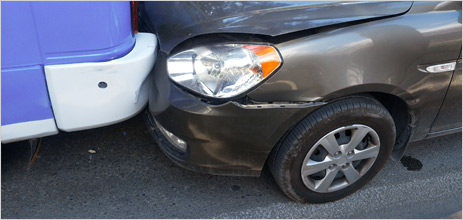
Being involved in a car accident can be a very frightening event for the drivers involved. Here are some things to remember should this happen to you.

-First, stop your vehicle and remain calm.

-Determine if there are any injuries and call for medical assistance if
necessary.

-Call the police to report the accident. Don’t forget to ask the
officer when you can obtain a copy of the report.

-Do not admit to fault of liability. Discuss the accident with only the police and your insurance representative.

-Exchange information, If possible, at the scene. Name, phone number, license numbers of all drivers and passengers and witnesses to the accident, including pedestrians, bicyclists, etc. Ask all drivers for their insurance information.

-Record all details of the accident immediately so nothing is lost or forgotten.

-Important factors to consider are time of accident, weather conditions, direction vehicles were traveling in, condition of the vehicles as well as note any traffic signs, lights or road markings at the site of the accident.

All of the above information is important to have available when calling a claim into your Insurance Agent. Keep a copy of this information in your glove box for safe keeping in the event of an accident.

Has your Insurance Agent ever provided you with this important information? If not, maybe it’s time to consider another agent. C.H. Edwards, Inc. is an Independent Insurance agency located in Farmingdale, New York. We have been in business since 1925 providing our clients with the best customer service and competitive pricing. Call for your
no obligation quote today 516-249-5200.

Written by: Denise A. Visco

50 Foods Before Age 2

50 Foods Before Age 2

Good habits begin at home and the earliest learning is taught by parents. Health and nutrition can be the trickiest learned habits.

Kids can be picky eaters. Sometimes, it can be hard for parents to really give their children the nutrition they need from fruits, vegetables and proteins.

That’s why it is important to introduce these 50 foods to your kids before age 2; please note that some of these food need to be pureed or cooked to avoid choking hazards and always check with your doctor first.

Artichokes
Bell peppers
Black beans
Broccoli
Brown Rice
Brussels sprouts
Butternut squash
Cabbage
Cantaloupe
Carrots
Cauliflower
Chicken
Coconut
Cod
Cucumbers
Eggplant
Eggs
Feta cheese
Granola
Green beans
Honeydew melon
Hummus
Iceberg lettuce
Jicama
Kale
Kidney beans
Lentils
Mozzarella cheese
Mushrooms
Olive slices
Oranges
Peaches
Pears
Pineapple
Plums
Pumpkin
Purple potatoes
Quinoa
Radishes
Romaine lettuce
Salmon
Salsa
Spinach
Strawberries
Sweet potatoes
Tomatoes
Turnips
Watermelon
Whole-wheat pasta
Yogurt

The perfect way to utilize this list, is to place it on the refrigerator and check off what food your child liked, and tried. This way, you can easily keep track of what food your child has tasted and liked.

Healthy kids are better learners and miss less school due to illness. Early learning goes a long way toward a successful future.

Start encouraging variety with your children today!

Written by: Amanda Haase

Winterizing Your Vehicle

Winterizing Your Vehicle

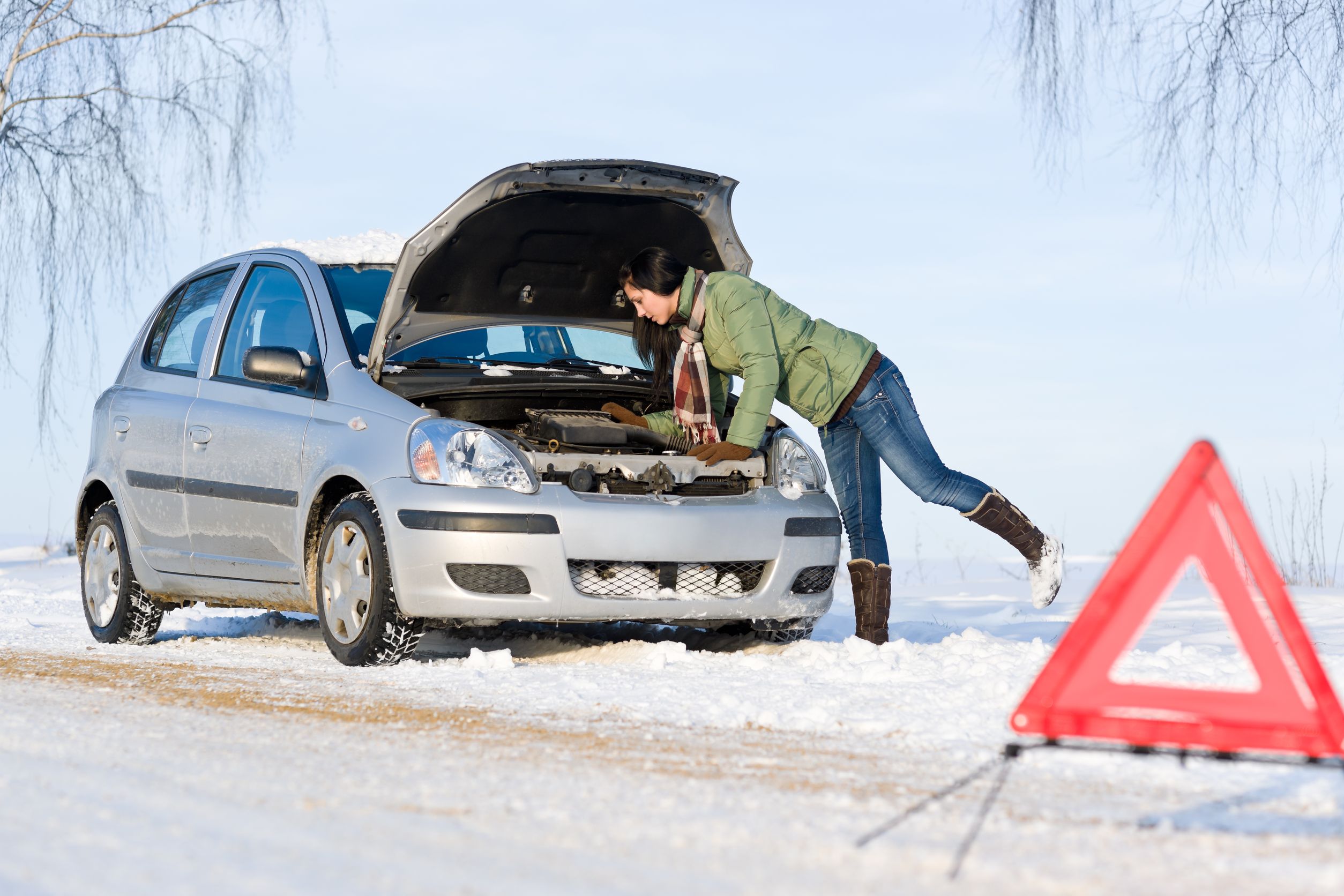
Winterizing your vehicle is a wise idea! Taking an hour or two out of your day to have your vehicle checked is all it takes to have peace of mind. The time spent now will avoid the cost and hassle of a breakdown during severe weather.

Here is a checklist to follow when winterizing your car this season:
1. Have the battery and charging system checked for optimum performance.
2. Clean, flush and put new antifreeze in the cooling system.
3. Make sure heaters, defrosters and wipers work properly.
4. Check the tire tread depth and tire pressure.
5. Be thorough about changing the oil and filter at recommended intervals.
6. If you’re due for a tune-up, have it done before winter sets in.
7. Have the brakes checked. The braking system is the vehicle’s most important safety item no matter what time of year.
8. Have the exhaust system checked for carbon monoxide leaks.
9. Keep your gas tank at least half full at all times to decrease the chances of moisture forming in the gas lines and possibly freezing.
10. In your trunk, make sure to include an ice scraper and snowbrush, jumper cables, flashlight, flares, blanket, extra clothes, candles/matches, bottled water, dry food snacks and needed medication.

Preparing yourself and your vehicle will insure safe travels this winter.

For more information on auto insurance, call C.H. Edwards, Inc. and one of our representatives will be happy to help you.

Be safe!

Written by: Amanda Haase

Candle Safety

Candle Safety

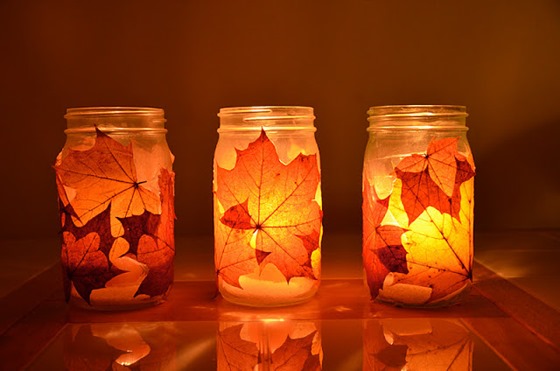
The fall season is here and people everywhere are burning their favorite seasonal candles.

Before lighting your candles be sure to follow these 8 tips when using candles in your home.

1. Burning candles should never be left unattended.
2. Keep candles away from anything flammable.
3. If your candle is in a candle holder, it should be sturdy enough to avoid being easily knocked over.
4. Candles should be placed where children and pets can’t reach them.
5. Candlewicks should be trimmed to ¼ inch each time before burning. Long wicks can cause uneven burning and dripping.
6. Keep the pool of wax in the candle clear of debris such as wick trimmings.
7. Read and follow the manufacturer’s instructions for candle use. Most candles should be burned for only a couple of hours at a time.
8. Extinguish candles with a candle snuffer rather than blowing them out to avoid being burned by the hot wax.

Enjoy your fall season and your favorite candle safely this year!

Written by: Amanda Haase